
Почему весы показывают неточный вес из-за разряженных батареек
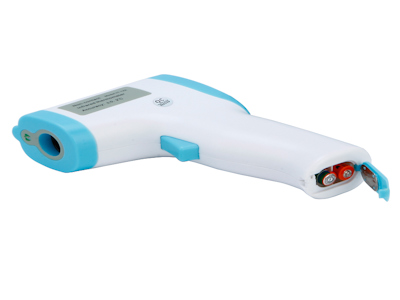
В современном мире электронные весы стали незаменимым инструментом для контроля веса, будь то в домашних условиях, в медицинских учреждениях или на производстве. Однако многие пользователи сталкиваются с проблемой неточных показаний, и одной из самых распространенных причин является использование разряженных батареек. В этой статье мы подробно разберем, почему это происходит, как устроены электронные весы, и что можно сделать, чтобы избежать подобных ошибок. Мы углубимся в научные аспекты, рассмотрим практические советы и поделимся историями из реальной жизни, чтобы дать вам полное понимание этой темы.
Введение в тему: важность точных измерений веса
Точность измерений веса критически важна во многих сферах жизни. Например, в медицине неправильные показания весов могут привести к ошибочным диагнозам или некорректному дозированию лекарств. В быту это может вызвать беспокойство о здоровье или привести к неверным решениям в диете и фитнесе. На производстве неточности могут повлиять на качество продукции и экономические потери. Поэтому понимание факторов, влияющих на точность весов, является ключевым для их эффективного использования.
Электронные весы, в отличие от механических, rely on complex electronic components that require a stable power source. Батарейки, как основной источник питания в портативных устройствах, играют crucial role. Когда батарейки разряжаются, voltage drops, что directly affects the accuracy of the measurements. This article will explore this phenomenon in depth, providing insights from physics, engineering, and everyday experience.
Как устроены электронные весы: основы работы
Электронные весы состоят из нескольких ключевых компонентов: датчиков веса (обычно тензометрических или пьезоэлектрических), аналого-цифрового преобразователя (АЦП), микропроцессора и дисплея. Когда вы становитесь на весы, датчики регистрируют давление и преобразуют его в электрический сигнал. Этот сигнал then converted into a digital value by the ADC, processed by the microprocessor, and displayed on the screen.
Вся эта система требует стабильного питания. Батарейки обеспечивают необходимое напряжение, typically 1.5V for alkaline batteries or 3V for lithium ones. Если напряжение падает ниже определенного порога (например, ниже 1.2V для щелочных батареек), components may not function correctly. ADC, in particular, is sensitive to voltage fluctuations, as it relies on a reference voltage to convert analog signals to digital. A drop in voltage can lead to errors in conversion, resulting in inaccurate weight readings.
Кроме того, микропроцессор требует минимального напряжения для работы. Если напряжение insufficient, он может enter a low-power mode or shut down entirely, causing the scales to display errors or random numbers. This is why many electronic scales have low-battery indicators, but they are not always reliable, especially if the batteries are old or of poor quality.
Научное объяснение: почему разряженные батарейки вызывают неточности
С научной точки зрения, точность электронных весов зависит от стабильности электрической цепи. According to Ohm's law, voltage (V), current (I), and resistance (R) are interrelated: V = I * R. In electronic scales, the sensors have a specific resistance that changes with weight. The ADC measures this change and converts it to a weight value.
Когда батарейки разряжаются, их внутреннее сопротивление increases, and the voltage output decreases. This drop in voltage affects the entire circuit. For instance, if the reference voltage for the ADC is derived directly from the battery, a lower voltage will cause the ADC to misread the sensor signals. Imagine a scale calibrated for 1.5V; if the battery drops to 1.2V, the ADC might interpret a signal that corresponds to 70kg as 65kg, leading to an underreading.
Более того, разряженные батарейки can cause voltage sag under load. When you step on the scales, the current draw increases momentarily. If the batteries are weak, the voltage may drop further during this peak, causing temporary inaccuracies. This is often observed as fluctuating readings or a delay in stabilization.
Studies in electronics have shown that a voltage drop of just 10% can lead to measurement errors of up to 5% in sensitive devices like scales. This is why manufacturers recommend replacing batteries regularly, even if they seem to work fine. In fact, many scales are designed with voltage regulators to mitigate this, but they are not foolproof and can only compensate within a limited range.
Практические примеры и случаи из жизни
Рассмотрим реальные ситуации. Мария, женщина 35 лет, uses her bathroom scales every morning to track her weight for fitness goals. One day, she notices that her weight seems to have dropped suddenly by 2kg, but she hasn't changed her diet or exercise routine. After investigating, she realizes that the batteries haven't been replaced in over a year. After installing new batteries, the readings return to normal, confirming that the issue was due to power depletion.
В другом случае, в медицинской клинике, весы used for patient monitoring started showing inconsistent readings. Nurses initially suspected a calibration issue, but after checking, they found that the batteries were old. Replacing them resolved the problem, preventing potential misdiagnoses for patients relying on accurate weight measurements for medication dosing.
На производстве, где весы used for weighing ingredients in food processing, inaccurate readings due to weak batteries could lead to product recalls or safety issues. For example, if a scale underreads by 5%, a batch might have incorrect proportions, affecting quality and compliance with regulations.
These examples highlight the importance of regular maintenance. Users often overlook battery health, assuming that if the scales turn on, they are accurate. However, as we've seen, even partially discharged batteries can cause significant errors.
Как определить, что батарейки разряжены
Существует несколько признаков, указывающих на то, что батарейки в весах need replacement. First, if the display is dim or flickering, it's a clear indicator of low power. Second, if the scales take longer to stabilize or show fluctuating numbers, this could be due to voltage instability. Third, some scales have a low-battery icon that lights up, but it may not appear until the batteries are critically low.
Для проверки, you can use a multimeter to measure the voltage of the batteries. Fresh alkaline batteries should read around 1.5V; if below 1.2V, they should be replaced. Alternatively, if you have spare batteries, swapping them out and comparing readings can quickly identify if power is the issue.
It's also helpful to keep a log of battery replacement dates. Most batteries in scales last 6-12 months with regular use, but this can vary based on usage frequency and battery quality. Using high-quality, name-brand batteries can extend lifespan and improve reliability.
Советы по уходу за весами и замене батареек
Чтобы избежать проблем с неточными показаниями, follow these practical tips. First, always use fresh, high-quality batteries. Avoid cheap or rechargeable batteries unless specified by the manufacturer, as they may have different voltage characteristics.
Second, store scales in a cool, dry place. Extreme temperatures can affect battery performance and accelerate discharge. For example, heat can cause batteries to leak, damaging the scales internally.
Third, calibrate your scales regularly according to the manufacturer's instructions. Calibration ensures accuracy but relies on stable power, so do it with fresh batteries.
Fourth, if you notice any signs of inaccuracy, replace the batteries immediately. Don't wait for the scales to fail completely. As a preventive measure, set a reminder to check batteries every 6 months.
For those who use scales frequently, consider investing in models with AC adapters or backup power options. This can provide a more stable power source and reduce reliance on batteries.
Заключение: важность внимания к деталям
В заключение, разряженные батарейки являются common yet overlooked cause of inaccurate weight readings in electronic scales. By understanding the scientific principles behind it and adopting good maintenance habits, users can ensure reliable measurements. Whether for personal health, medical purposes, or industrial applications, accuracy matters. Remember to check and replace batteries regularly, and your scales will serve you well for years to come.
If you have experiences or questions, share them in the comments below. We hope this article has been informative and helpful. Stay tuned for more tips on maintaining your electronic devices!
 1388xx888xx