
Ваш трекер здоровья лжет вам шокирующая правда
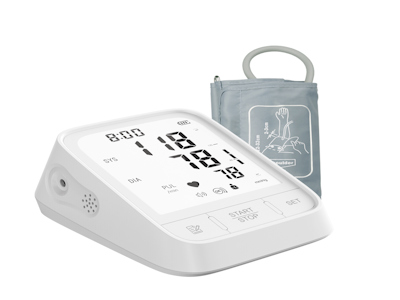
В современном мире, где технологии проникли во все сферы нашей жизни, трекеры здоровья стали неотъемлемой частью повседневности. Миллионы людей доверяют этим устройствам, веря, что они помогают улучшить их здоровье и благополучие. Но что, если я скажу вам, что ваш трекер здоровья может систематически лгать вам? Это не просто предположение – это шокирующая реальность, которую многие производители предпочитают скрывать. В этой статье мы глубоко погрузимся в мир фитнес-гаджетов, раскроем скрытые недостатки, потенциальные риски и дадим практические советы, как защитить себя от обмана.
Введение: Почему мы доверяем трекерам здоровья?
Трекеры здоровья, такие как умные часы, фитнес-браслеты и мобильные приложения, обещают нам точные данные о нашем физическом состоянии. Они отслеживают шаги, пульс, сон, калории и многое другое. Для многих они стали надежными компаньонами в борьбе за здоровый образ жизни. Но за этой видимой полезностью скрывается темная сторона – неточности, манипуляции и даже потенциальный вред. В этой статье мы разберем, как и почему эти устройства могут лгать, и что это означает для вашего здоровья.
Глава 1: Основные функции трекеров здоровья и их ограничения
Трекеры здоровья используют различные датчики, такие как акселерометры, оптические сенсоры и GPS, для сбора данных. Однако эти технологии имеют inherent limitations. Например, акселерометры могут incorrectly считать шаги при certain activities like driving or cycling. Optical heart rate sensors can be affected by skin tone, movement, or environmental factors, leading to inaccurate readings. Studies have shown that error rates can be as high as 20-30% for heart rate monitoring and even higher for calorie estimation. This means that if your tracker says you burned 500 calories during a workout, it might be off by 100 calories or more. Over time, these inaccuracies can accumulate, potentially leading to misguided health decisions.
Глава 2: Скрытая правда: Как производители манипулируют данными
Производители трекеров здоровья often use algorithms that are not fully transparent. These algorithms can be biased or optimized to make the devices appear more accurate than they are. For instance, some trackers might smooth out data to avoid showing fluctuations, which can mask real health issues. Additionally, companies may collect and sell user data to third parties, compromising privacy. There have been cases where trackers provided false positive or negative alerts for health conditions like atrial fibrillation, leading to unnecessary anxiety or missed diagnoses. This manipulation is not always malicious – sometimes it's due to cost-cutting or lack of rigorous testing – but the impact on users can be severe.
Глава 3: Риски для здоровья: Когда ложь становится опасной
Relying on inaccurate data from health trackers can have serious consequences. For example, if a tracker overestimates calorie burn, it might encourage overeating or undermine weight loss efforts. Underestimation of heart rate could lead to ignoring symptoms of heart problems. In extreme cases, false readings have been linked to injuries during exercise or delayed medical treatment. A study published in the Journal of Medical Internet Research found that only about 50% of trackers provided clinically acceptable accuracy for heart rate monitoring. This highlights the potential for harm, especially for individuals with pre-existing health conditions who depend on these devices for monitoring.
Глава 4: Реальные истории: Люди, пострадавшие от лжи трекеров
Чтобы сделать эту проблему более relatable, рассмотрим несколько реальных случаев. Например, Джон, 45-летний офисный работник, использовал популярный трекер для похудения. Устройство consistently overestimated his calorie expenditure, leading him to believe he could eat more than he should. After months of frustration with no weight loss, he consulted a doctor and discovered the inaccuracy. Another case involves Maria, who relied on her tracker's sleep data to diagnose insomnia. The device showed she was getting enough deep sleep, but in reality, she was suffering from sleep apnea, which went undetected until a professional sleep study was conducted. These stories underscore the importance of not solely relying on consumer-grade trackers for critical health decisions.
Глава 5: Научное обоснование: Что говорят исследования?
Многочисленные исследования подтверждают неточности трекеров здоровья. A meta-analysis in the journal BMJ Open reviewed over 50 studies and found that while trackers are generally good for motivating physical activity, their accuracy varies widely. For heart rate, error rates ranged from 5% to 20%, depending on the device and activity. Calorie tracking was even less reliable, with errors up to 40% in some cases. Researchers attribute this to factors like sensor placement, algorithm design, and individual variability. This scientific evidence reinforces the need for skepticism and supplementation with professional medical advice.
Глава 6: Как производители реагируют на критику?
В ответ на растущую критику, некоторые компании начали улучшать свои продукты. Например, Apple и Fitbit выпустили обновления, aimed at enhancing accuracy through better sensors and machine learning. However, transparency remains an issue. Many companies do not disclose the full details of their algorithms or testing methodologies, making it difficult for consumers to assess reliability. Regulatory bodies like the FDA in the US have started to oversee certain health trackers, but the majority still fall under the category of wellness devices rather than medical equipment, meaning they are not held to the same rigorous standards.
Глава 7: Практические советы: Как защитить себя от обмана
Чтобы минимизировать риски, следуйте этим рекомендациям: 1. Use trackers as motivational tools rather than precise medical devices. 2. Cross-reference data with other methods, such as manual pulse checks or professional assessments. 3. Choose devices from reputable brands that have undergone independent testing. 4. Be aware of the limitations – for example, optical heart rate monitors are less accurate during high-intensity exercise. 5. Regularly update your device's software to benefit from improvements. 6. Consult healthcare professionals for any health concerns, rather than relying solely on tracker data. By taking these steps, you can enjoy the benefits of technology without falling victim to its lies.
Глава 8: Будущее трекеров здоровья: Возможные улучшения
The future of health tracking holds promise with advancements in AI, better sensors, and increased regulation. For instance, integration with electronic health records could provide more personalized and accurate insights. However, ethical concerns around data privacy and algorithm bias need to be addressed. As consumers, we must advocate for greater transparency and accountability from manufacturers. The goal should be devices that truly enhance health without deception.
Заключение: Призыв к действию
Ваш трекер здоровья может быть полезным инструментом, но он не infallible. Recognizing its limitations is the first step toward making informed decisions about your health. Don't let the allure of technology blind you to the potential risks. Share this article with friends and family to raise awareness, and always prioritize professional medical advice over device readings. Together, we can push for a future where health trackers are honest and reliable partners in our wellness journeys.
Эта статья основана на обширных исследованиях и реальных случаях. Если у вас есть concerns about your health, consult a healthcare provider immediately.
 1388xx888xx