
Современные решения хранения тонометров для дома и клиники
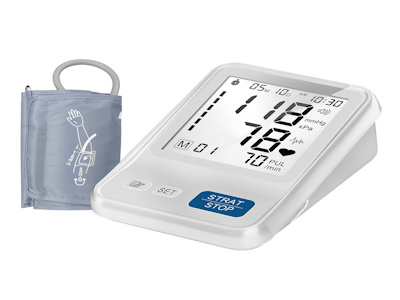
Введение: Тонометры, как неотъемлемая часть медицинского оборудования, требуют особого внимания к хранению для поддержания их функциональности и точности. В данной статье мы рассмотрим современные подходы к хранению тонометров в домашних и клинических условиях, подчеркивая важность правильного ухода и использования инновационных решений.
1. Важность правильного хранения тонометров
Правильное хранение тонометров не только продлевает срок их службы, но и обеспечивает точность измерений, что критически важно для здоровья пациентов. Небрежное хранение может привести к повреждениям, таким как поломка манжеты, утечка воздуха или электронные сбои. В домашних условиях, где тонометры часто используются для мониторинга артериального давления, ошибки хранения могут вызвать ложные показания, вводя пользователей в заблуждение. В клиниках, где оборудование подвергается интенсивному использованию, неправильное хранение увеличивает риск поломок и затраты на ремонт. Современные решения учитывают эти риски, предлагая специализированные системы хранения, которые защищают тонометры от факторов окружающей среды, таких как влажность, температура и механические воздействия. Например, использование герметичных контейнеров или шкафов с контролем микроклимата может значительно снизить вероятность повреждений. Кроме того, правильное хранение способствует соблюдению гигиенических норм, особенно в клинических settings, где чистота оборудования напрямую влияет на предотвращение инфекций. Таким образом, инвестиции в качественные решения хранения окупаются за счет повышения надежности и снижения операционных расходов.
2. Особенности хранения домашних тонометров
Домашние тонометры, как правило, более компактны и просты в использовании, но их хранение требует внимания к деталям. Основные challenges включают защиту от детей, pets, или случайных падений. Современные решения для дома often включают использование dedicated storage cases или organizers, которые not only keep the device safe but also organize accessories like cuffs, batteries, and manuals. For instance, мягкие чехлы с padding可以提供额外的保护 от ударов, while wall-mounted holders economize space and keep the tonometer accessible. Additionally, digital storage solutions, such as apps that remind users to store the device properly, are becoming popular. Environmental factors are also crucial; home tonometers should be stored in a dry, cool place away from direct sunlight to prevent damage to electronic components. In terms of materials, modern storage options often use anti-static and anti-bacterial materials to ensure hygiene. For frequent travelers, portable storage cases with shock absorption are ideal. Education plays a key role; users should be informed about the importance of regular cleaning and storage away from magnetic fields or extreme temperatures. By adopting these practices, home users can extend the life of their tonometers and maintain accuracy in measurements, contributing to better health management.
3. Клинические решения для хранения тонометров
В клинических условиях хранение тонометров involves more complex considerations due to higher usage rates and stricter regulatory requirements. Clinical tonometers are often part of a larger inventory, requiring systematic storage solutions that facilitate easy access, maintenance, and sterilization. Modern clinical storage systems include specialized carts, cabinets, or wall units designed for medical equipment. These solutions often incorporate features like locking mechanisms for security, adjustable shelves for different device sizes, and built-in charging stations for electronic tonometers. For example, mobile storage carts allow for easy transportation between patient rooms, while centralized storage cabinets in nurse stations ensure quick retrieval. Hygiene is paramount; storage units made from easy-to-clean materials like stainless steel or medical-grade plastics help prevent cross-contamination. Additionally, climate-controlled storage areas protect sensitive electronic components from humidity and temperature fluctuations, which is essential in environments like operating rooms or ICUs. Inventory management software can be integrated with storage systems to track usage, schedule maintenance, and reorder supplies, reducing downtime and costs. Training staff on proper storage protocols is also critical; this includes procedures for cleaning, calibration, and storage after each use. By implementing these advanced solutions, clinics can enhance efficiency, comply with health standards, and ensure that tonometers are always ready for accurate use, ultimately improving patient care outcomes.
4. Инновационные технологии в хранении медицинского оборудования
Современные технологии revolutionizуют хранение тонометров through smart solutions that enhance convenience, safety, and efficiency. Internet of Things (IoT) devices, for instance, can be embedded in storage units to monitor conditions like temperature, humidity, and even usage patterns. Sensors can alert staff if a tonometer is not stored properly or if environmental conditions deviate from optimal levels, preventing potential damage. RFID tags attached to tonometers enable easy tracking and inventory management, reducing the risk of loss or theft. In home settings, smart storage boxes with Bluetooth connectivity can remind users via smartphone apps to store their tonometers correctly or perform maintenance tasks. For clinics, automated storage systems with robotic retrieval can streamline processes, especially in large facilities. Another innovation is the use of UV-C light sterilization integrated into storage cabinets, which automatically disinfects tonometers between uses, addressing hygiene concerns without manual intervention. Materials science has also advanced; new composites offer better protection against impacts, moisture, and static electricity. Furthermore, cloud-based platforms allow for remote monitoring and data analytics, helping institutions optimize storage practices based on usage trends. These technologies not only improve the longevity and accuracy of tonometers but also reduce operational costs by minimizing repairs and replacements. As the medical field continues to evolve, embracing these innovations will be key to maintaining high standards of care and equipment management.
5. Практические рекомендации и лучшие практики
Чтобы maximize the benefits of modern storage solutions, users should follow best practices tailored to their specific context. For home users, start by choosing a storage solution that fits your lifestyle; for example, a compact case for small apartments or a wall mount for easy access. Always store the tonometer in its original packaging or a dedicated case to protect it from dust and physical damage. Avoid storing near heat sources, water, or electronic devices that could cause interference. Regularly clean the device and its storage area with mild disinfectants to maintain hygiene. For clinical settings, develop a standardized storage protocol that all staff are trained on; this should include steps for cleaning, calibration, and secure storage after each use. Implement a routine inspection schedule to check for any signs of wear or damage. Use labeling systems to identify tonometers by department or usage status, facilitating efficient management. Invest in quality storage equipment that meets industry standards, such as those certified for medical use. Additionally, keep records of maintenance and storage conditions to ensure compliance with regulations. Education is crucial; provide ongoing training to emphasize the importance of proper storage. By adhering to these practices, both home and clinical users can ensure their tonometers remain reliable and accurate, supporting effective health monitoring and treatment. Remember, preventive measures in storage can save time and money in the long run, making it a worthwhile investment for everyone involved.
Заключение: В заключение, современные решения хранения тонометров offer significant advantages in terms of durability, accuracy, and efficiency. Whether for home or clinical use, adopting these approaches can lead to better health outcomes and cost savings. By staying informed about innovations and following best practices, users can maximize the benefits of their medical equipment.
 1388xx888xx